Diamond buying guide for 2026 is not about beauty — it’s about precision, value, and long-term decision-making.
A poorly chosen diamond can lose thousands in value, while a well-selected stone holds prestige, rarity, and investment potential. This guide breaks down exactly what matters before you buy — from certification to pricing logic — so you can make a confident, high-value decision.
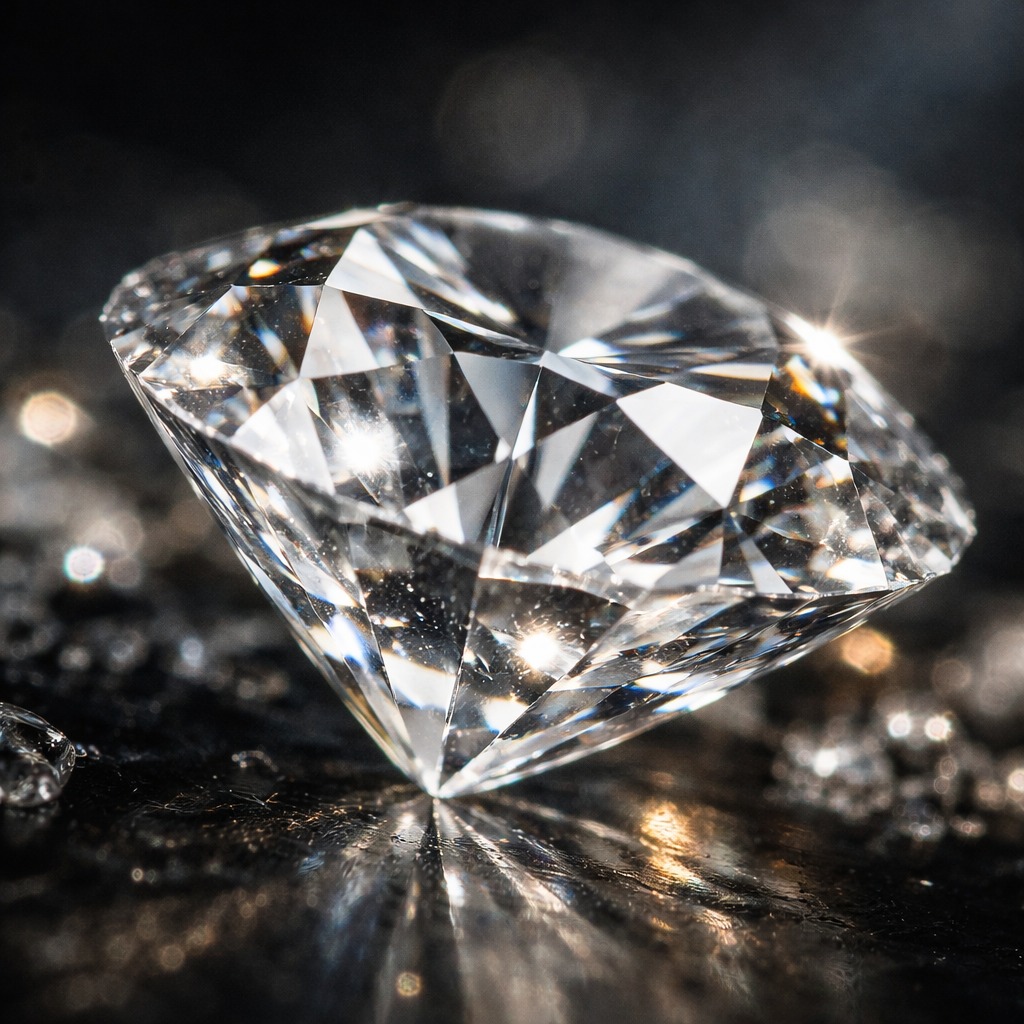
Diamond Buying Guide : The 4Cs Explained Beyond Marketing
Diamond Buyung Guide Tip: Cut is the Most Important Factor
Cut determines how a diamond performs — not just how it looks. Even a high-carat stone loses value if the cut is poor. Prioritize precision over size to ensure maximum brilliance and long-term worth.
Round Brilliant vs Emerald Cut
Round brilliant diamonds are priced higher due to demand and cutting waste.
Round brilliant diamonds maximize brilliance and resale value, making them the safest long-term choice. Emerald cuts offer a more refined, architectural look but require higher clarity and careful selection to maintain value.
Diamond Pricing Logic
Diamond pricing is driven by cut precision, certification authority, and market demand. Two diamonds can look identical yet differ significantly in price — understanding this difference is key to avoiding overpaying.
How Much Should You Spend on a Diamond in 2026
There is no fixed rule for how much you should spend on a diamond. The smartest approach is to prioritize cut and certification first, then adjust carat weight based on your budget. This strategy maximizes visual impact while avoiding unnecessary price premiums.
Natural vs Lab-Grown Diamonds
Lab-grown diamonds offer lower prices but lack long-term resale value. Natural diamonds remain the preferred choice for rarity, market demand, and long-term positioning. If value retention matters, natural diamonds are the stronger option.
Should You Buy Diamonds as an Investment?
Diamonds are not short-term investments, but high-quality stones can retain value over time. Focus on certified diamonds with strong cut grades and market demand rather than marketing-driven purchases.
How to Verifi a Diamond Certificate
Always verify a diamond through a recognized grading authority such as GIA or IGI. Certification ensures accuracy in quality grading and protects you from overpriced or misrepresented stones.
Final Checklist Before Buying a Ddiamond
Before buying a diamond, focus on certification, cut quality, and price comparison. Avoid impulse decisions and always verify the stone’s grading to ensure you are paying for real value.
Frequently Asked Questions
Question 1:
Is a diamond a good long-term investment?
Answer:
High-quality natural diamonds can retain value over time, especially those with strong certification and desirable characteristics. However, they should be viewed as a value-preserving asset rather than a short-term investment.
Question 2:
What is the safest way to buy a diamond?
Answer:
The safest approach is to choose a certified diamond from a reputable seller, compare multiple options, and prioritize cut quality and certification over size or marketing claims.